

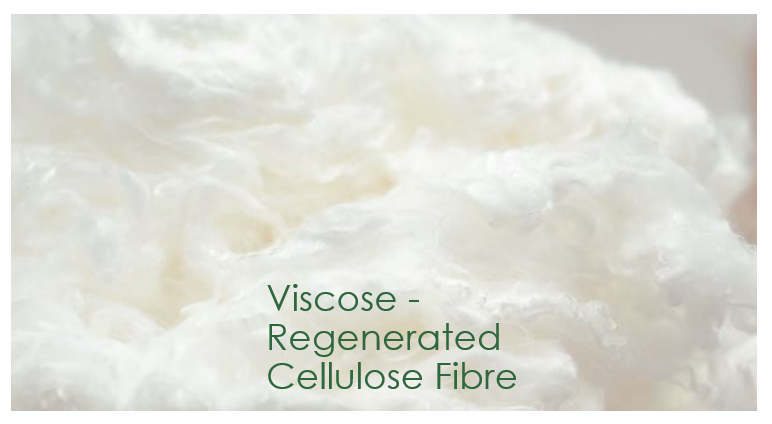
Regenerated Cellulose Fibres:
Regenerated cellulosic fibres are produced by transforming natural cellulose into a soluble derivative, followed by its regeneration into fibrous form. Sources of cellulose for this purpose encompass bamboo, cotton linters, and other plant materials abundant in cellulose content. They are called “regenerated cellulosic fibres” due to the combination of the natural raw cellulosic material and the chemical manufacturing process that breaks down the cellulose so it can be “regenerated” into a fibre from the original pulp.
Example of regenerated cellulose fibres:
- Rayon – Rayon is a generic term for any regenerated cellulose fiber
- Viscose
- Modal
- Lyocell (Brand name – Tencell/Lenzing AG)
- Bamboo fibre is a regenerated cellulosic fibre produced from bamboo.
- Cupro – Cupro is a regenerated cellulosic fibre, manufactured using a similar process to viscose, but using 100% cotton linters, a pre-consumer residue of the cotton processing.
Application of regenerated cellulose fibres:
- Healthcare/hygiene products – Key applications for regenerated cellulosic fibres are in the hygiene, wipes, and incontinence sector.
- Food packaging – Regenerated cellulose films are used in food packaging.
- Clothes – Used in making clothes and garments.
Cellulose Fibres
Cellulose fiber refers to fibers that are naturally occurring and derived directly from plants or other biological sources. Examples include cotton, jute, hemp, and flax.
Read the difference between cellulose fibres and regenerated cellulose fibres.
Related posts:



Leave a Reply