

What is vegan leather?
Vegan leather has gained popularity due to ethical and environmental considerations associated with traditional leather production. It serves as a cruelty-free and often more sustainable option for those seeking the aesthetic of leather without animal-derived materials. Read more on Peta.org
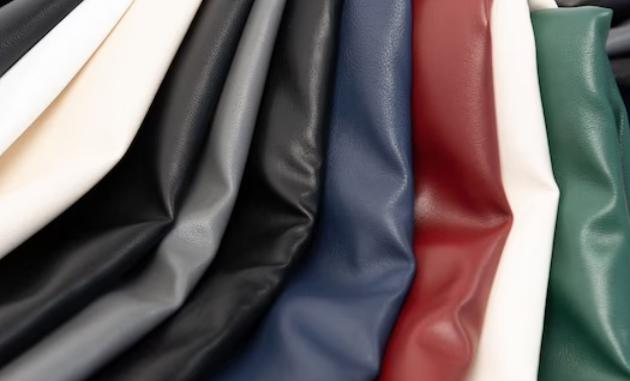
Common sources of vegan leather:
Here are some common materials used in the production of vegan leather:
Polyurethane (PU): This is a synthetic material that can be used to create a leather-like texture. It is often used as a more affordable and versatile alternative to animal leather.
Polyvinyl Chloride (PVC): Another synthetic material, PVC, is sometimes used to make vegan leather. However, PVC is associated with environmental concerns, and alternatives like PU are often preferred.
Microfiber: High-quality microfiber materials are designed to mimic the texture and appearance of real leather. They are often used in the production of vegan leather goods.
Piñatex: This is an innovative material made from the fibers of pineapple leaves. Piñatex is a sustainable and cruelty-free alternative to traditional leather.
Mushroom Leather (Mycelium): Some companies are experimenting with using mycelium, the root system of mushrooms, to create a leather-like material. It is a bio-based and environmentally friendly option.
Vegan leather has gained popularity due to ethical and environmental concerns associated with traditional leather production. It provides an alternative for those who want the look and feel of leather without using animal products. However, it’s essential to note that not all vegan leathers are created equal in terms of environmental impact, and considerations such as production methods and material sourcing can vary.




Leave a Reply